Quick Summary:
- In-home ABA therapy builds skills in the exact environment where your child needs to use them.
- Choosing an ABA therapy setting matters, and for many families, home-based ABA therapy removes barriers that a clinic setting can create.
- At Utilize ABA, in-home therapy is our main focus, built around your child's routines, your home, and your family's daily life across Colorado.
Have you ever picked your child up from a therapy session and wondered why the skills they showed the therapist never seem to show up at home? You see progress notes talking about new words or calmer transitions, but at your own kitchen table, things look the same. That gap between the therapy room and real life is one of the most common frustrations parents mention to us.
What Is In-Home ABA Therapy?
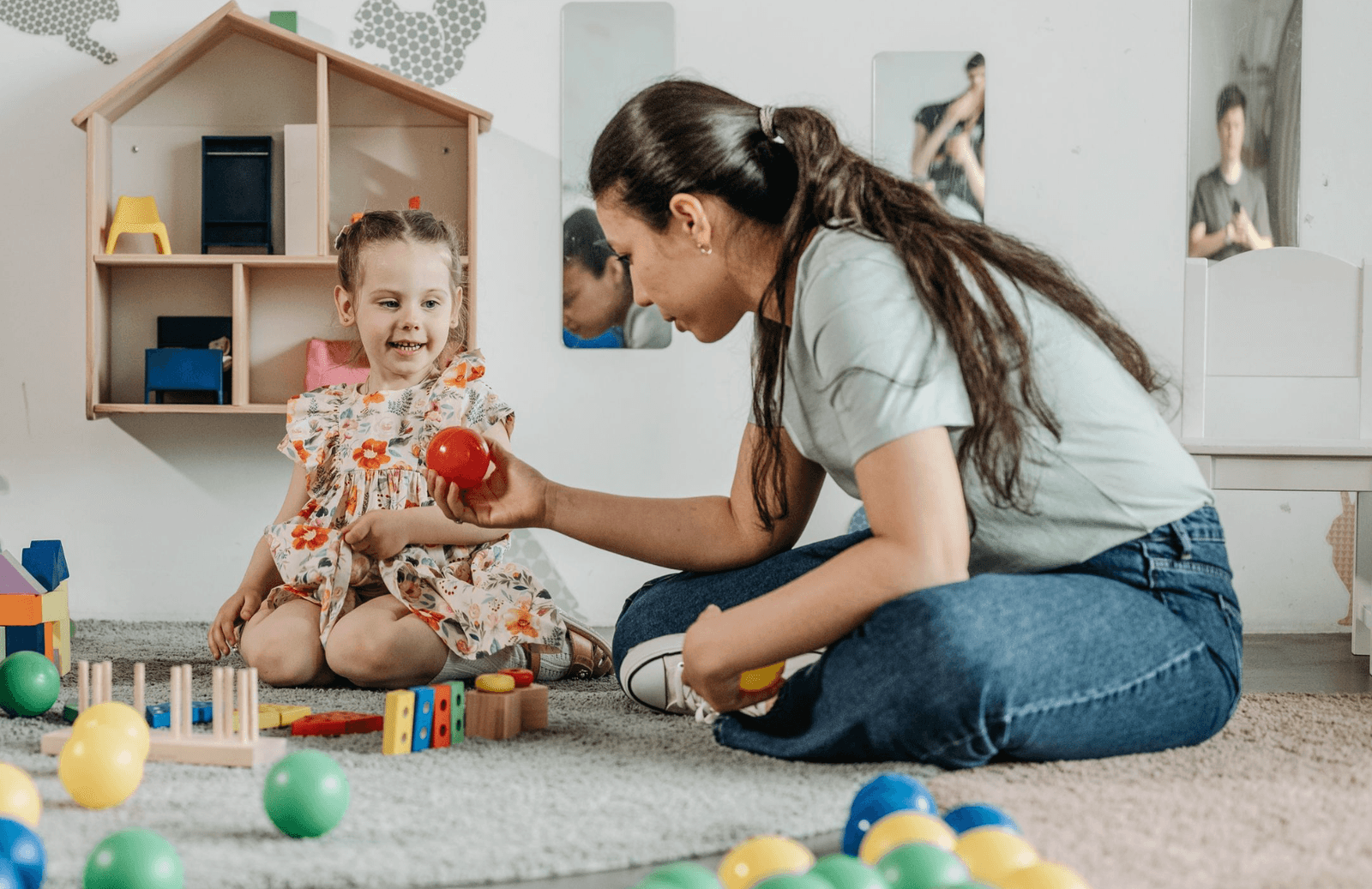
In-home ABA therapy means your child's therapist comes to you, rather than the other way around. Sessions happen in your living room, kitchen, backyard, or wherever your child spends their day. Instead of teaching a skill in a clinic and hoping it transfers home, the skill gets built directly in the space where it needs to happen.
ABA therapy at home focuses on real routines. That might mean practicing communication during breakfast, working on transitions before bedtime, or building play skills with a sibling in the living room. Nothing about it is staged or artificial. It's your child's life, with support built into it.
Center-Based Vs Home-Based ABA: A Quick Look
Parents researching therapy options often come across the question of center-based vs home based ABA. Both models have a place in this field, and many families ask us how to choose. Here's a simple way to think about it.
Center-based therapy usually means:
- Sessions happen in a dedicated clinic space
- Children may interact with other kids receiving therapy
- Structured environment with consistent materials and setup
- Transportation to and from a facility is required
Home-based ABA therapy usually means:
- Sessions happen in your child's living environment
- Skills get practiced in the exact context where they're needed
- Family routines and real-life triggers are part of the plan
- No commute, which keeps things simpler for busy families
Neither model is universally better for every child. But for many families, the home setting removes friction and builds skills that transfer more naturally.
Benefits Of In-Home Therapy
The benefits of in-home therapy show up in ways that matter to daily life, not just in a progress report. Here's what families notice most often:
- Skills carry over naturally: A child who learns to ask for help in a clinic doesn't always ask for help at home. A child who learns it at home already knows how, because that's where they learned it.
- Comfort supports learning: Children often engage more easily in a space where they already feel safe, without the adjustment period a new environment can require.
- Family involvement increases: Parents and siblings are part of sessions more naturally, which supports consistency once formal sessions end for the day.
- Real routines get addressed directly: Mornings, mealtimes, and transitions get practiced as they happen, not as a simulation.
- Less disruption to your schedule: No driving to a facility means more time for the rest of your family's day.
At Utilize ABA, this is the foundation of how we work. Home is where your child spends most of their time, and it's where progress needs to hold up.
Choosing An ABA Therapy Setting That Fits Your Family
Choosing an ABA therapy setting isn't only about convenience. It's about where your child learns best. Some questions worth asking yourself:
- Does my child respond better in familiar surroundings, or do they adapt easily to new environments?
- What routines at home need the most support right now?
- Would a commute to a clinic add stress to our week?
- Do I want to be part of sessions more directly?
If your answers point toward comfort, routine, and involvement, in-home therapy is likely the stronger fit. In our experience, most families find that skills stick better when they're built in the place those skills are needed.
Home ABA Therapy Colorado Families Can Rely On
Families searching for home ABA therapy across Colorado want more than a therapist who shows up. They want a team that understands their child and stays consistent over time. That's the standard we hold ourselves to.
Our BCBAs design every plan around your child's specific strengths and goals, then bring that plan into your home through consistent, qualified support. We focus on communication, daily routines, regulation, and social connection, all within the environment your child already knows.
We also handle the details that can otherwise get in the way. Most major insurance providers, including Medicaid, cover ABA therapy, and our team manages verification, authorizations, and renewals so you can focus on your child instead of paperwork.
Learn more about our approach on our about page, or explore the full range of support we offer through our services page.
Frequently Asked Questions
1. Is in-home ABA therapy as effective as center-based therapy?
Research supports both models, and effectiveness often comes down to fit for the individual child. Many families find that in-home therapy supports faster carryover of skills into daily life.
2. Do I need to prepare my home before sessions start?
Not significantly. Our team works within your existing home environment and routines, since that's the point of in-home therapy.
3. Will siblings or other family members be involved?
Often, yes. Family involvement is part of what makes in-home therapy effective, and our team will guide you on how to support sessions naturally.
4. How do you handle scheduling around my family's routine?
We work with you to find times that fit your household, since consistency matters more than rigid timing.
5. What happens if my child's needs change over time?
Your child's BCBA continually reviews progress and adjusts the plan as needed, so therapy grows alongside your child.
Ready To Bring Therapy Home?
You already know your child's daily life better than anyone. Let's build a plan that works within it, not around it. Contact our team today, call 303-730-8008, or email hello@utilizeaba.com to schedule your free consultation.
Clinically Reviewed by Sarah Powell, BCBA
This article has been reviewed for clinical accuracy by Sarah Powell, BCBA, a Board Certified Behavior Analyst with experience supporting children with autism and their families through evidence-based ABA therapy. Content is reviewed to ensure it reflects current ABA best practices and is accurate at the time of publication.