Clinically Reviewed by Sarah Powell, BCBA
Sarah Powell, BCBA, reviewed this article for clinical accuracy. She is a Board Certified Behavior Analyst with experience supporting children with autism and their families through evidence-based ABA therapy. Content is reviewed to ensure it reflects current ABA best practices and is accurate at the time of publication.
Quick Summary
- In-home ABA therapy applies science-backed strategies within a child's daily routine
- The right setting depends on each child's needs and comfort level
- Learn about our in-home ABA therapy services for Littleton and Highlands Ranch families
Choosing a therapy setting for your child raises plenty of questions, and many parents in Littleton and Highlands Ranch aren't sure where to start. Some families feel drawn to the comfort of home, while others wonder if a center setting offers something different. This article breaks down how in-home ABA therapy compares to center-based care, and how our team helps families choose what fits best.
What Is In-Home ABA Therapy?
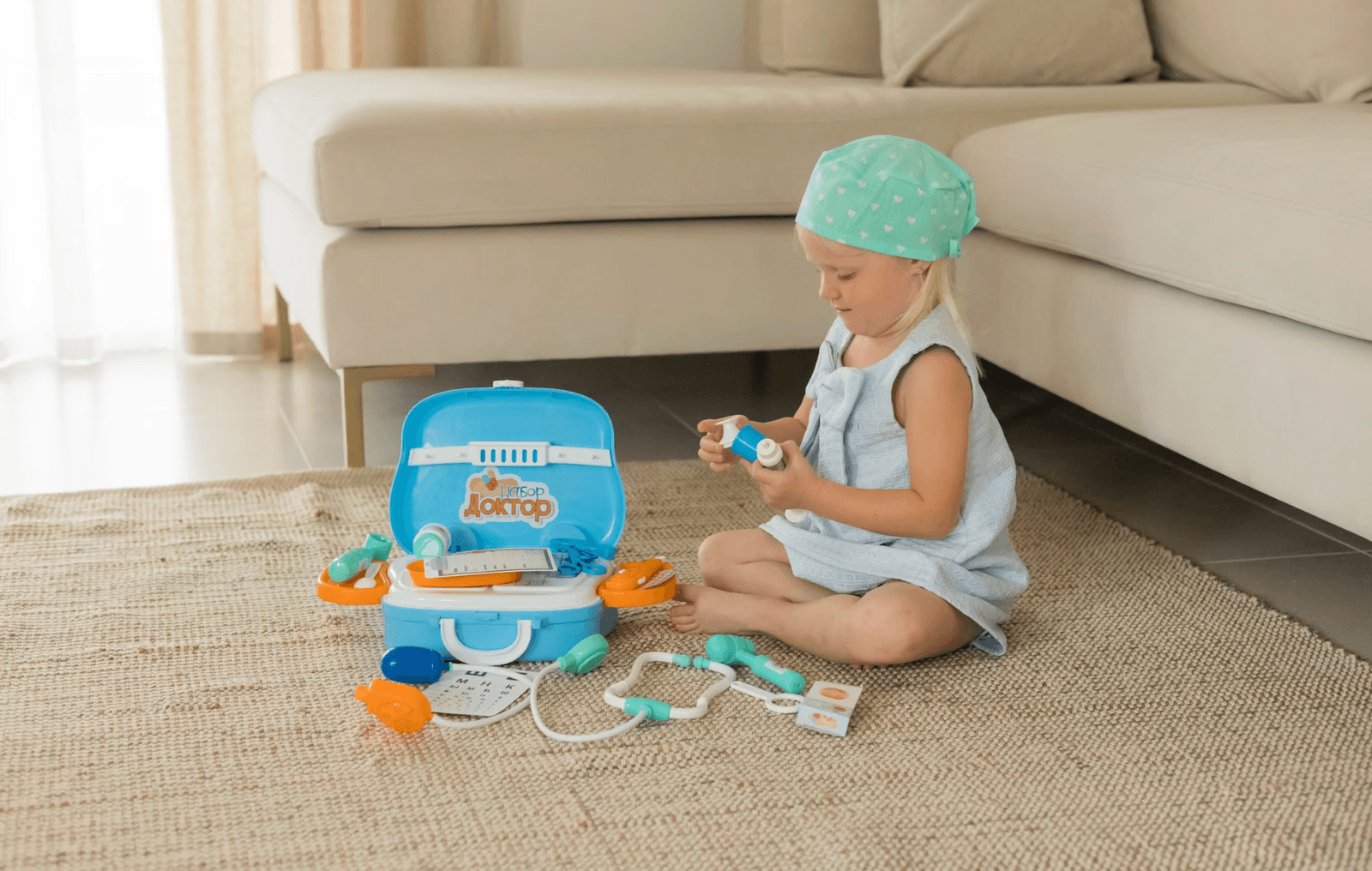
In-home ABA therapy brings evidence-based strategies directly into a child's daily environment. A trained therapist works with your child in the spaces where they already spend their time, using familiar routines, toys, and family interactions as part of each session.
This setting allows therapy to reflect real moments from your child's day. Skills practiced during a session, such as requesting a snack or transitioning between activities, connect directly to situations your child faces at home.
At Utilize ABA, our team designs each plan around your child's specific goals. Sessions apply science-based strategies within your household routine, which often makes new skills easier to practice and maintain.
RELATED: ABA Therapy For School Success: How To Support Your Child's IEP Goals
Who Might Benefit From In-Home ABA Therapy?
Every child responds differently to therapy settings, and no single approach works for everyone. Some children benefit from in-home ABA therapy because it reduces the stress of adjusting to a new environment. Others thrive because their family can participate directly in sessions.
Children who might benefit from in-home ABA therapy often include those who:
- Feel more comfortable and engaged in familiar surroundings
- Need support with specific home routines, like mealtime or bedtime
- Show stronger focus without the sensory input of a busier setting
- Have family members who want to actively join sessions and learn strategies
This list reflects common patterns rather than fixed rules. Each child's needs vary, and a good therapy plan considers your child's individual temperament, goals, and daily life. What works well for one family might not suit another, and that variation is normal.
What Is Center-Based ABA Therapy?
Center-based ABA therapy takes place in a dedicated clinical space designed for structured learning. Children work with therapists in a setting built around consistent routines, group activities, and specific equipment for skill-building exercises.
This setting can offer more opportunities for peer interaction, since multiple children often receive services at the same location. Some children benefit from the structure and predictability a center provides, along with exposure to social situations outside the home.
RELATED: Reinforcing ABA Skills At Home: Why Utilize ABA Partners With Parents
In-Home Versus Center-Based ABA: A General Comparison
Families weighing ABA therapy often ask which setting fits best. Here's how the two approaches compare.
Environment: In-home ABA takes place in your child's familiar surroundings. Center-based ABA happens in a structured clinical space designed for therapy.
Family Involvement: In-home sessions often include direct, frequent family participation. Center-based involvement varies depending on the provider and schedule.
Peer Interaction: In-home therapy offers limited peer contact unless specifically arranged. Center-based settings build in more chances for kids to interact with peers.
Routine Practice: In-home sessions reflect your child's daily home activities. Center-based sessions follow structured clinic routines.
Comfort Level: Home settings feel familiar and may reduce anxiety. Clinical settings are new, so some children need time to adjust.
Neither setting works better across the board. The right choice depends on your child's comfort level, your family's schedule, and your specific goals.
[Schedule a consultation to find the right fit for your child]
How ABA Therapy Sessions Work at Home
During in-home sessions, a therapist observes your child's natural routines and builds learning opportunities around them. Sessions might focus on communication, daily living skills, or social interaction, depending on your child's plan.
As a general example, a session focused on communication might involve practicing requests during snack time, while a session focused on daily living skills might involve steps for washing hands or getting dressed. These examples illustrate common approaches, though every child's plan looks different based on their needs.
Parents often participate directly during sessions, learning strategies they can apply outside of therapy time. This involvement builds consistency, which supports skill growth across different parts of your child's day.
Why Families in Littleton and Highlands Ranch Choose In-Home Support
Families searching for ABA therapy in Littleton or ABA therapy in Highlands Ranch often want an approach that fits smoothly into their household. In-home ABA therapy for children in Littleton allows learning to happen where your child already feels most at ease.
In our experience, this setting works well for families who want to stay closely involved in the therapy process. Parents see strategies applied in real time and can ask questions as sessions unfold. This connection between therapist and family often strengthens progress over time.
How to Decide Which Setting Fits Your Child
Choosing between in-home and center-based ABA therapy starts with a conversation about your child's specific needs. Our team considers factors like your child's comfort level, family goals, and daily routine when building a recommendation.
A good starting point includes questions like:
- Does my child feel more settled in familiar surroundings?
- Would my family benefit from being directly involved in sessions?
- Does my child need more exposure to group or peer settings?
- What does our daily schedule allow for consistently?
There's no wrong answer here, and your child's plan can shift over time as their needs change. Flexibility remains part of a strong ABA therapy approach.
RELATED: Managing Autism Tantrums: How ABA Therapy Helps With Meltdowns And Self-Regulation
Getting Started With Utilize ABA
Reaching out to our team is the first step toward finding the right fit for your child. We take time to understand your family's situation before recommending a setting, and we stay involved throughout your child's progress.
Interested professionals looking to join a team focused on individualized care can learn more through our careers page. For additional guidance on ABA topics, our blog offers more resources written with parents in mind.
Frequently Asked Questions
1. Is in-home ABA therapy as effective as center-based therapy?
Both settings apply evidence-based ABA strategies. Effectiveness often depends on how well the setting matches your child's individual needs.
2. Can we switch between in-home and center-based therapy later?
Yes, therapy plans can adjust over time based on your child's progress and changing needs.
3. How often do in-home ABA sessions happen?
Session frequency varies by child and depends on the individualized plan developed with your team.
4. Do parents need to be present during in-home sessions?
Parent involvement often supports progress, though specific expectations depend on your child's plan and goals.
5. Does insurance cover in-home ABA therapy?
Many insurance plans cover ABA therapy services. Our team can help you understand your specific coverage during intake.
6. What areas does Utilize ABA serve for in-home therapy?
Our team provides in-home ABA therapy support across Littleton, Highlands Ranch, and surrounding Colorado communities.
RELATED: In-Home ABA Therapy With Utilize ABA: What Families Across Colorado Can Expect
Let's Talk About What Fits Your Family
Every child's path looks different, and finding the right therapy setting takes thoughtful conversation. Our team at Utilize ABA is ready to listen to your family's situation and help you think through your options.
Call us at 303-730-8008, email hello@utilizeaba.com, or complete our contact form, and we'll follow up with you directly. We look forward to learning more about your child.