Clinically Reviewed by Sarah Powell, BCBA
Sarah Powell, BCBA, reviewed this article for clinical accuracy. She is a Board Certified Behavior Analyst with experience supporting children with autism and their families through evidence-based ABA therapy. Content is reviewed to ensure it reflects current ABA best practices and is accurate at the time of publication.
Quick Summary
- ABA therapy strategies can support classroom behavior and learning
- Skills often transfer between home and school settings
- If a family asks for it, our team can connect home and classroom support
School brings new routines, new expectations, and a different kind of social environment for your child.
Many parents in Thornton, Northglenn, and Broomfield wonder how ABA therapy fits into the school day, and whether skills learned at home actually help in the classroom. This article looks at how ABA therapy supports school success and how our team works alongside your child's school community.
Many parents in Thornton, Northglenn, and Broomfield wonder how ABA therapy fits into the school day, and whether skills learned at home actually help in the classroom. This article looks at how ABA therapy supports school success and how our team can work alongside your child's school community, if that's something your family wants.
Why School Success Matters for Children Receiving ABA Therapy
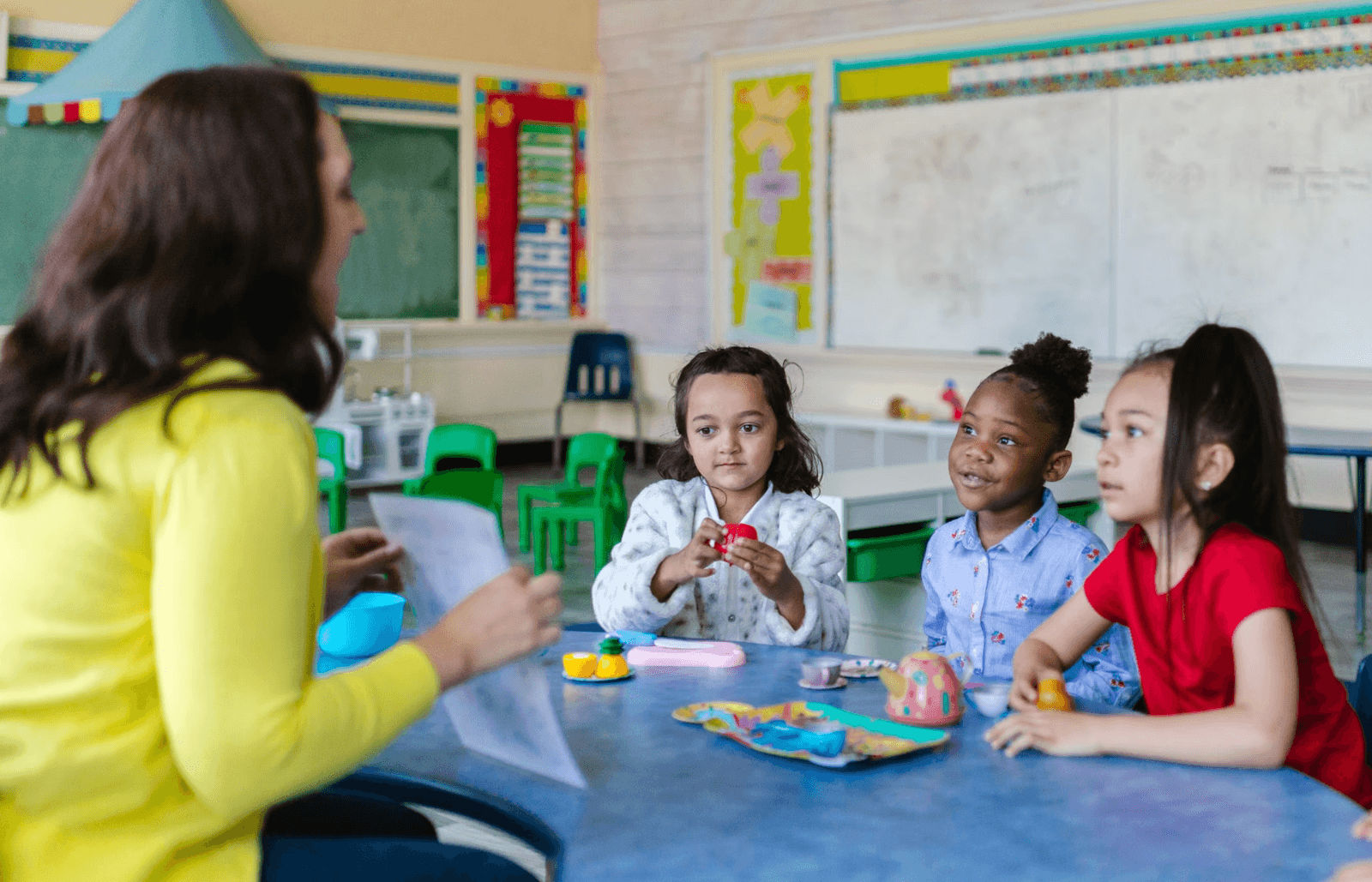
School plays a large role in a child's daily life, shaping how they communicate, follow routines, and build relationships with peers. For children receiving ABA therapy, the classroom often becomes another setting where skills continue to grow.
School can be a place of growth and opportunity for your child too. Strong classroom experiences build confidence and give children a chance to practice skills in a structured, social environment.
Supporting your child's success at school involves more than academics. Communication, self-regulation, and social interaction all play a role in how comfortably a child navigates the school day.
Our Team Can Collaborate With Schools, Ask Us How
If you'd like, our team can collaborate with teachers, join IEP meetings when it helps, and bring the same strategies we use at home into the classroom. School collaboration isn't automatic. It happens when a family asks for it, and we take it from there.
When school staff and our team use similar approaches to behavior and learning challenges, children often find it easier to apply skills across settings, rather than treating home and school as separate experiences.
At Utilize ABA, we see this partnership as one option for supporting your child's overall progress. Just let us know if you'd like us involved, and we'll stay in clear communication with school staff to keep everyone aligned on your child's goals.
How ABA Therapy Strategies Can Be Applied in the Classroom
ABA therapy is evidence-based, and science-backed strategies applied in sessions at home often carry meaningful benefits into a school setting, even without direct contact between our team and the school. Skills like following instructions, managing transitions, and communicating needs frequently show up in both environments.
A therapist might work with your child on skills such as:
- Raising a hand and waiting for a turn to speak
- Following multi-step instructions from a teacher
- Managing frustration during a difficult task
- Interacting appropriately with classmates during group activities
- Transitioning smoothly between subjects or activities
These examples reflect common goals, though every child's plan looks different depending on their specific needs and classroom environment.
How School Support Helps Transfer Skills Back Home
For families who ask us to work with their child's school, collaboration works in both directions. Just as home-based strategies can support classroom behavior, skills practiced at school often transfer back into daily life at home.
Benefits of this two-way connection between parents, schools, and teachers can include:
- Consistent expectations across home and school routines
- Stronger generalization of skills learned in either setting
- Fewer conflicting strategies between caregivers and teachers
- Increased confidence as children apply skills in multiple environments
- Clearer communication between parents and school staff about progress
When a family chooses this level of support, the connection between home and school often strengthens a child's ability to apply what they learn, rather than keeping skills isolated to a single setting.
Building the Everyday Skills Kids Need for School Success
Collaboration between home and school, when a family requests it, can support a wide range of skills built through our services. These often include:
- Communication: Using words, gestures, or a communication device to express needs in both settings
- Following Directions: Responding to multi-step instructions from teachers and caregivers alike
- Social Interaction: Sharing, taking turns, and engaging with peers during group activities
- Self-Regulation: Managing frustration or big emotions during transitions or difficult tasks
- Independence With Routines: Completing daily tasks, such as packing a backpack or following a morning checklist
- Attention and Focus: Staying engaged with tasks for longer periods across different environments
Each child's plan highlights the specific skills most relevant to their goals. This list reflects common areas of focus rather than a fixed set of outcomes for every child.
RELATED: Managing Autism Tantrums: How ABA Therapy Helps With Meltdowns And Self-Regulation
What This Collaboration Can Look Like
If a family asks us to coordinate with their child's school, a therapist working on communication skills at home might connect with a teacher to reinforce the same strategies during classroom activities. If a child practices using a communication device during therapy sessions, that same device might also support classroom participation, based on this coordination.
Every situation looks different, and the level of school involvement depends on your child's specific plan and needs. Some families ask for frequent school collaboration, while others focus primarily on home-based strategies with no school contact at all.
Supporting Families Across Thornton, Northglenn, and Broomfield
Families searching for ABA therapy in Thornton, ABA therapy in Northglenn, or ABA therapy in Broomfield often want a team that understands their local schools and community resources. In our experience, familiarity with the school systems in these communities helps our team communicate effectively with teachers and staff when families ask us to.
Supporting a child through ABA therapy in Broomfield or nearby communities means considering the full picture of their day, not just therapy sessions in isolation. For families who want it, school collaboration can become a natural extension of the work happening at home.
Why Consistency Between Home and School Matters
Children often thrive when the strategies used to support them stay consistent across different environments. When a therapist, parent, and teacher all use similar approaches, children face less confusion about expectations.
This consistency can reduce frustration for children and adults alike. For families who choose school collaboration, a unified approach also gives parents more confidence that progress made at home won't get lost once the school day begins.
Getting Started With Utilize ABA
Reaching out to our team is the first step toward building this kind of connected support for your child, if that's something your family wants. We take time to understand your family's goals, including whether school collaboration fits, before shaping a plan.
Professionals interested in this kind of collaborative work can learn more through our careers page. For more resources on ABA therapy and school support, visit our website.
RELATED: Does Insurance Cover ABA Therapy? How Utilize ABA Helps
Frequently Asked Questions
1. Does Utilize ABA work directly with schools?
Yes, if you'd like us involved, our team can collaborate with teachers and join IEP meetings when it helps support your child's goals. Just let us know, and we'll coordinate from there.
2. Can ABA therapy help with classroom behavior challenges?
ABA therapy often addresses behaviors that affect a child's ability to participate and learn in a classroom setting.
3. Will my child's therapist visit the school in person?
This depends on your child's specific plan and whether your family asks for school involvement. Some families request in-person school visits, while others focus on home-based support alone.
4. How does ABA therapy support skills like following instructions?
Therapists often use structured strategies to build skills like following directions, which can transfer into classroom routines over time.
5. Do skills learned at school transfer back to home life?
Many families notice that skills reinforced at school also strengthen behaviors and routines at home, thanks to consistent strategies across settings.
6. How do I start ABA therapy services that include school collaboration?
Reaching out to our team begins the process. We discuss your child's needs, including whether you'd like school-based collaboration as part of the plan.
Let's Support Your Child In the Classroom & Beyond
Your child's growth doesn't stop at the classroom door, and it doesn't stop at home either. Our team at Utilize ABA wants to help your child feel supported throughout their day, and if you'd like us to connect with their school, we're ready to do that too.
Reach out to us at 303-730-8008, email hello@utilizeaba.com, or complete our contact form, and our team will follow up to talk through your child's needs.